Managing a company car fleet brings unique challenges. Multiple vehicles, different drivers with varying habits, and the constant pressure to keep costs down while maintaining safety and legal compliance. Your fleet’s tyres are critical to all of this, yet they’re often managed reactively rather than strategically.
The True Cost of Poor Fleet Tyre Management
When a company vehicle fails its MOT or breaks down due to tyre issues, the costs multiply quickly. There’s the obvious expense of emergency tyre replacement, but that’s just the start.
You’ve got a driver stranded, perhaps missing appointments or deliveries. That’s lost productivity and potentially lost business. The vehicle needs recovering or emergency assistance. Your driver’s time is wasted, and they might need alternative transport arranged.
If the tyre failure causes an accident, the consequences escalate dramatically. Beyond the immediate costs, there are insurance implications, potential legal issues if the vehicle wasn’t properly maintained, and serious reputational damage.
Proactive tyre management eliminates most of these scenarios. Regular inspections catch problems before they cause breakdowns. Planned replacements cost less than emergency call-outs. And your legal compliance is never in question.
Legal Responsibilities for Fleet Operators
As a fleet operator, you have legal duties under health and safety legislation. You must ensure vehicles are safe to drive, which includes maintaining tyres in legal condition. Simply telling drivers to check their tyres isn’t enough.
You need documented evidence of regular inspections and maintenance. If a vehicle with illegal tyres is stopped, both the driver and the company can face penalties. If those illegal tyres contribute to an accident, the consequences become far more serious.
Regular professional tyre inspections provide the documentation you need to demonstrate compliance. They also give you early warning of problems, allowing you to address them before they become legal issues.
Why Mobile Fleet Tyre Services Make Sense
Traditional tyre management means vehicles off the road, driven to garages, and time lost in waiting rooms. For a fleet, this approach is inefficient and expensive.
Mobile tyre services bring the garage to you. We can inspect and replace tyres at your premises, in your car park, during quiet periods, or even overnight. Your vehicles stay where they need to be, and your drivers stay productive.
For businesses across Barnsley, Rotherham, Sheffield, Doncaster, and Wakefield, this means no more arranging cover while someone spends half a day at the tyre garage. No more juggling calendars to fit in multiple vehicles. We work around your schedule, not the other way around.
Setting Up a Preventive Maintenance Schedule
Effective fleet tyre management starts with a proper schedule. Vehicles should receive comprehensive tyre inspections every three months or 3,000 miles, whichever comes first. High-mileage vehicles may need monthly checks.
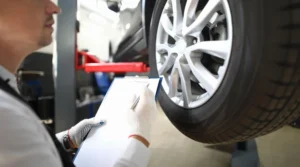
These inspections should cover tread depth across all tyres, pressure checks, visual examination for damage or uneven wear, and assessment of the spare tyre. Everything gets documented with photos and measurements.
You’ll receive clear reports showing which vehicles need immediate attention, which need monitoring, and which are fine. This allows you to budget accurately and plan replacements rather than reacting to emergencies.
Dealing with Different Vehicle Types
Your fleet probably includes various vehicle types, each with different tyre needs. Small cars, large vans, and commercial vehicles all have distinct requirements and wear patterns.
Vans typically wear tyres faster due to heavier loads and frequent stop-start driving in urban areas. They need more frequent inspections and you’ll replace their tyres more often than passenger cars. Commercial vehicle tyres must meet higher load ratings and have different legal requirements.
A good fleet tyre service understands these differences and tailors maintenance schedules accordingly. We know that your delivery vans need different attention than your sales reps’ cars, and we plan maintenance to match actual usage patterns.
Managing Seasonal Tyre Needs
South Yorkshire weather varies significantly through the year. Your fleet faces wet autumn roads, icy winter conditions, and hot summer tarmac. Tyre management needs to reflect these changes.
Consider whether all-season tyres make sense for your fleet. They provide year-round capability without the cost and logistics of seasonal tyre changes. For vehicles that operate in all weather conditions or cover rural routes in winter, they’re often the practical choice.
If you do run seasonal tyres, professional storage and changeover services keep the process simple. We’ll store your off-season tyres properly, inspect them before refitting, and ensure the changeover happens on schedule without disrupting your operations.
Driver Education and Reporting
Your drivers are your first line of defence in tyre management. They see the vehicles daily and can spot problems early, but only if they know what to look for and have a simple reporting system.
Provide basic training on tyre checks: what legal tread depth looks like, how to check pressure, and what damage requires immediate reporting. Make it easy to report concerns without fear of blame or hassle.
Some issues need immediate attention. Bulges, severe cuts, or tyres losing pressure should stop the vehicle immediately. Other issues like uneven wear can be scheduled for inspection. Help drivers understand the difference.
Tracking and Documentation Systems
Good fleet management needs good records. You should know the age, mileage, and condition of every tyre on every vehicle. This information helps predict replacement needs, identify problem vehicles, and demonstrate compliance during audits.
Modern fleet tyre services provide digital tracking as part of the package. Each inspection updates your fleet records automatically. You can see at a glance which vehicles need attention, when tyres were last changed, and what’s coming up in the schedule.
These records also help identify patterns. If one vehicle consistently wears tyres faster, it might have alignment issues or a particularly challenging route. You can address the root cause rather than just replacing tyres repeatedly.
Balancing Cost and Quality
Tyre procurement for fleets is always a balance between cost control and safety. The cheapest tyres aren’t always the most economical choice when you factor in how quickly they wear and how they affect fuel consumption.
Mid-range quality tyres from reputable manufacturers often provide the best value for fleet use. They last well, provide good fuel efficiency, and offer reliable wet weather performance without premium brand pricing.
Buying in volume gets better prices, but only if you’re not stuck with unsuitable stock. A good fleet tyre partner maintains inventory based on your fleet composition, giving you competitive pricing without you tying up capital in tyre stock.
Emergency Support When You Need It
Despite the best preventive maintenance, emergencies happen. A vehicle hits debris on the motorway, picks up a puncture in a customer car park, or suffers a blowout on a country road.
You need emergency support that’s actually available when you need it, not an answering machine promising a callback tomorrow. Look for fleet tyre services offering genuine emergency response across your operating area.
Our mobile service operates across South Yorkshire with emergency response capability. If one of your vehicles has tyre trouble in Barnsley, Rotherham, Sheffield, Doncaster, or Wakefield, we’ll get to them quickly, minimising downtime and getting them back on the road safely.
Measuring the Return on Investment
Professional fleet tyre management isn’t a cost; it’s an investment that delivers measurable returns. Track your tyre-related breakdown calls before and after implementing proper management. Most fleets see dramatic reductions.
Monitor your total tyre spend including emergency call-outs, not just tyre purchase costs. Preventive maintenance almost always costs less than reactive emergency replacement.
Consider the less obvious benefits too: reduced insurance claims, better fuel economy from properly maintained tyres, improved driver safety and morale, and the peace of mind that comes from knowing your fleet is compliant and safe.
Getting Started with Fleet Tyre Management
Implementing professional fleet tyre management doesn’t need to be complicated. Start with a comprehensive inspection of your entire fleet to establish current condition and immediate needs. This gives you a baseline and identifies urgent issues.
Set up a maintenance schedule based on vehicle usage patterns. High-mileage vehicles get more frequent attention. Create a simple reporting system for drivers. And most importantly, choose a tyre service partner who understands fleet needs and can work around your schedule.
DC Emergency Tyre Fitting provides complete fleet tyre management across South Yorkshire. We’ll inspect your fleet at your premises, provide detailed condition reports, schedule planned maintenance, and deliver emergency support when needed. Your vehicles stay on the road, your drivers stay safe, and your compliance is never in question.